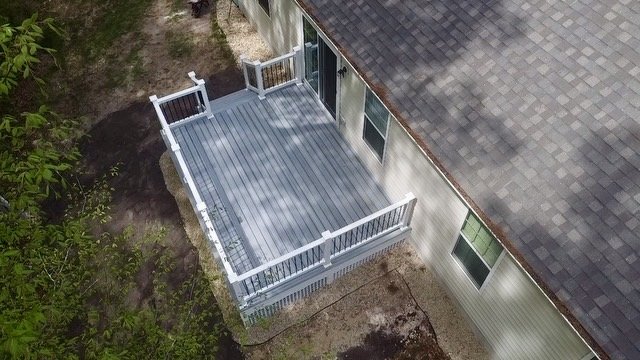
Decking Materials for North Carolina Weather
Choosing the right decking material in North Carolina isn’t just about looks—it’s about durability. With high humidity, intense sun, heavy rain, and seasonal temperature swings, your deck needs to handle a lot. The right material will last for years with minimal maintenance, while the wrong one can lead to constant repairs and early replacement.
Understanding North Carolina’s Climate
North Carolina’s weather creates several challenges for outdoor structures:
Humidity encourages mold, mildew, and rot
Frequent rain leads to moisture absorption and swelling
Strong UV exposure causes fading and drying
Temperature fluctuations result in expansion and contraction
Because of this, decking materials must be resistant to both moisture and sun damage.
Pressure-Treated Wood
Pressure-treated lumber is one of the most common decking materials due to its affordability.
Pros
Budget-friendly
Readily available
Strong and structurally reliable
Cons
Prone to cracking, warping, and splintering
Requires regular sealing or staining
Susceptible to mold and mildew in humid conditions
Best For
Homeowners looking for a cost-effective option and willing to perform ongoing maintenance.
Cedar and Redwood Decking
Cedar and redwood offer a more natural, premium look with improved resistance to decay.
Pros
Attractive natural appearance
Better resistance to insects and rot than standard lumber
Easier to work with than dense hardwoods
Cons
Requires regular maintenance to prevent weathering
Can still absorb moisture over time
Higher cost than pressure-treated wood
Best For
Those who prefer a natural wood aesthetic and are prepared for routine upkeep.
Composite Decking
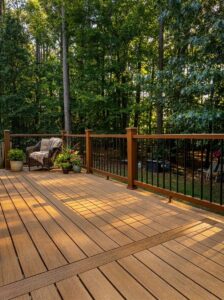
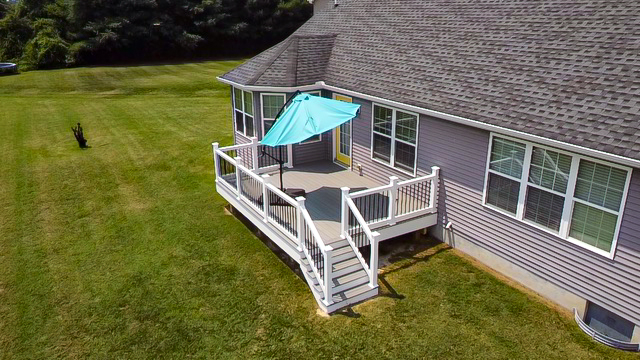
Composite decking is made from a blend of wood fibers and recycled plastics, making it a durable choice for North Carolina’s climate. (Trex, TimberTech, Deckorators, ect)
Pros
Resistant to moisture, rot, and insects
Low maintenance (no staining or sealing required)
Long lifespan with consistent appearance
Cons
Higher upfront cost
Can become hot in direct sunlight
Quality varies depending on manufacturer
Best For
Homeowners seeking a long-lasting, low-maintenance decking solution.
PVC Decking
PVC decking is a fully synthetic material designed for maximum durability and minimal upkeep.
Pros
Completely water-resistant
Highly resistant to mold, mildew, and insects
Excellent color retention
Cons
Higher cost compared to other materials
Less natural appearance
Can expand and contract more if not installed properly
Best For
Coastal environments or homeowners who want the most durable, maintenance-free option.
What Works Best in North Carolina?
For most homeowners in central and eastern North Carolina:
Best overall value: Composite decking
Best long-term performance: PVC decking
Best budget option: Pressure-treated wood
Composite and PVC materials are increasingly popular because they handle humidity and weather changes without requiring constant maintenance.
Tips to Maximize Deck Lifespan
Regardless of the material you choose, proper installation and care are critical:
Ensure proper joist spacing
Use corrosion-resistant fasteners
Allow for drainage and airflow beneath the deck
Avoid direct ground contact when possible
Perform routine inspections
Final Thoughts
North Carolina’s climate can be tough on decks, but the right material makes all the difference. Investing in quality decking upfront helps reduce maintenance, extend lifespan, and protect your outdoor space for years to come.
If you’re planning a new deck or upgrading an existing one, choosing the right material is the first step toward a durable, long-lasting result.